Kategori: Blog

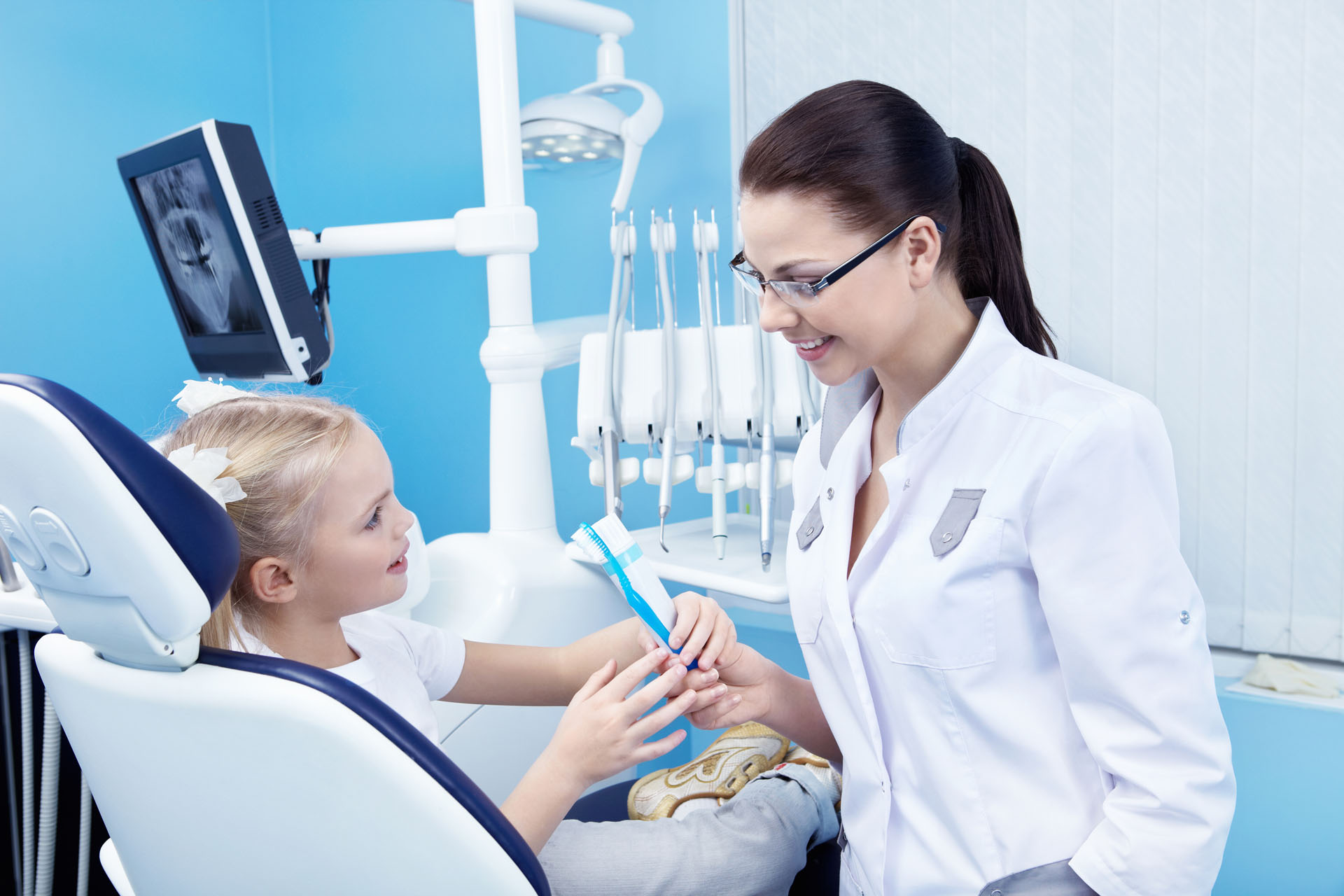
  • Your Children Can Brush and Floss With Pleasure

    Your Children Can Brush and Floss With Pleasure

    Because infectious diseases are frequently transmitted via touch, hand hygiene is an important first line of defense against the spread of infections in dental practices. But bacteria and other microorganisms can survive on environmental surfaces for extended periods and be spread by touch or cross-contamination to patients, healthcare workers, and other surfaces, making surface disinfection critical. For example, MRSA can survive on surfaces anywhere from 7 days to 7 months.

    Educate all team members including office and reception staff about the important role they play in preventing the spread of infection

    Contaminated surfaces can re-contaminate clean hands and further contribute to the transmission of infections, meaning thorough hand hygiene and daily cleaning and disinfection of environmental surfaces are both imperative to preventing the spread of infections.
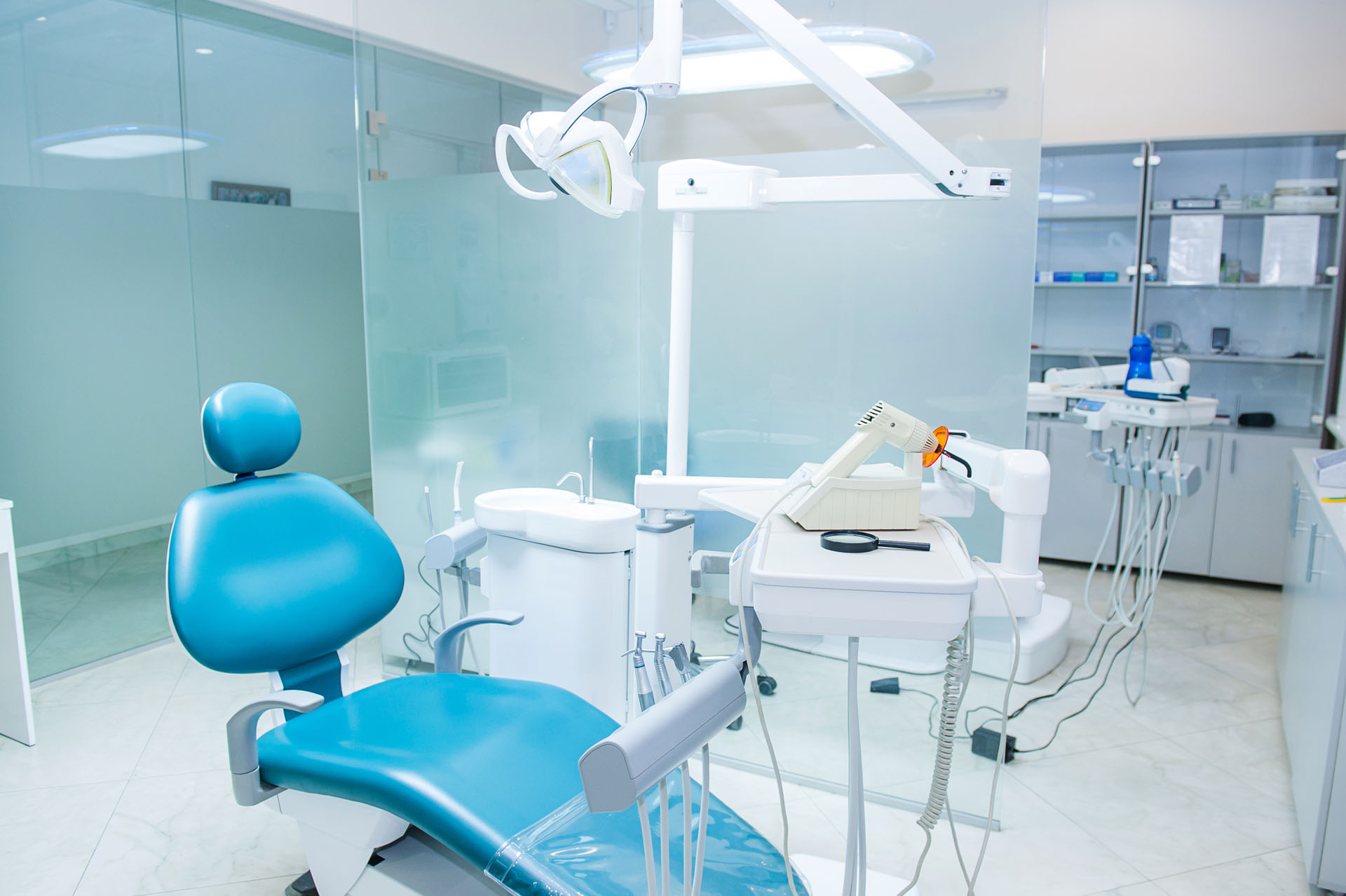
    Dental Office

    Surface contamination

    Compliant cleaning and disinfection of surfaces is important throughout the dental practice, including in the reception and waiting-room areas. In a recent study published in the Journal of Dental Hygiene, surface sampling from dental practices in Arizona and Missouri isolated bacteria from environmental surfaces inside and outside patient care areas. Researchers have found that other germ hot spots within reception and waiting-room areas include office door knobs, office phones, and counter tops.

    Selecting the Right Products

    The first step in implementing an effective environmental infection prevention strategy for your dental practice is selecting the right products. With hundreds of surface disinfectants available, it can seem challenging to identify the best products to suit your practice’s needs. It is important for dental practices to select US Environmental Protection Agency (EPA) registered surface disinfectants designed specifically for healthcare facilities, with broad-spectrum antimicrobial activity against a wide range of microorganisms that can be transmitted via contaminated surfaces.

    Ensuring Compliant Use

    While selecting the correct surface disinfectants is a key part of effective infection prevention practices, establishing policies and procedures that ensure regular, compliant use of those products is also crucial to success. To ensure all team members have a clear understanding of cleaning and disinfecting protocols, we recommend the following best practices for educating team members.
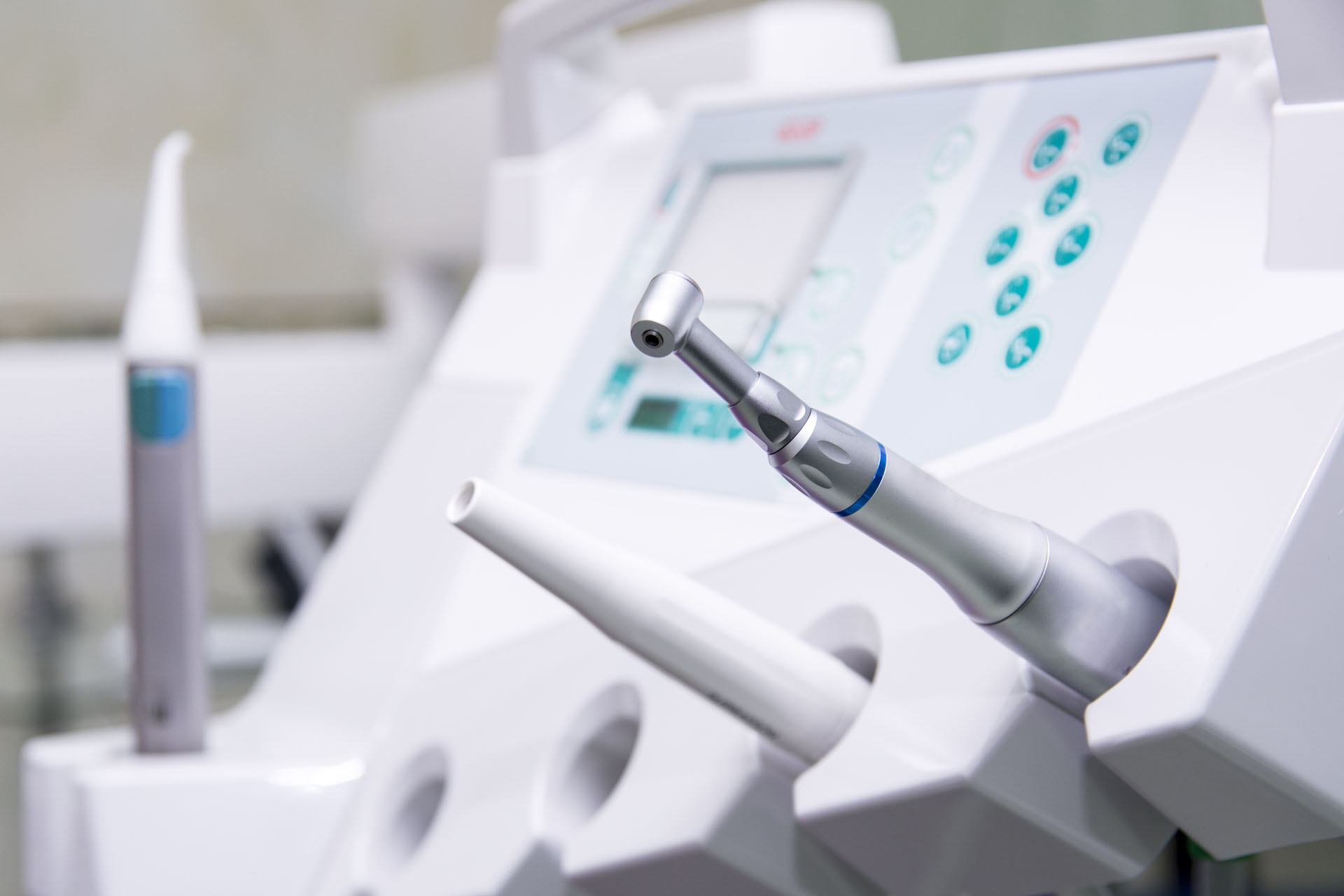
    Instruments closeup

    As a team, review important infection prevention guidelines and OSHA regulations that pertain to your practice. Online training is available through sites, which offers free continuing education courses in infection control best practices. Develop a robust written infection control plan for your practice, with cleaning and disinfecting protocols that include cleaning responsibility grids detailing who cleans which piece of equipment or surface, with which product and how frequently.

    Drinking water dilutes acids and helps cleans the teeth. It also means patients may have to go to the bathroom more often, though, so some patients avoid this approach. Considering its popularity and variety, it is important to note that bottled water may not have the ideal amount of fluoride, if any. It all depends on the source of the water. Only certain bottled water, usually for infants, generally has the proper amount of fluoride, so one should check the label.

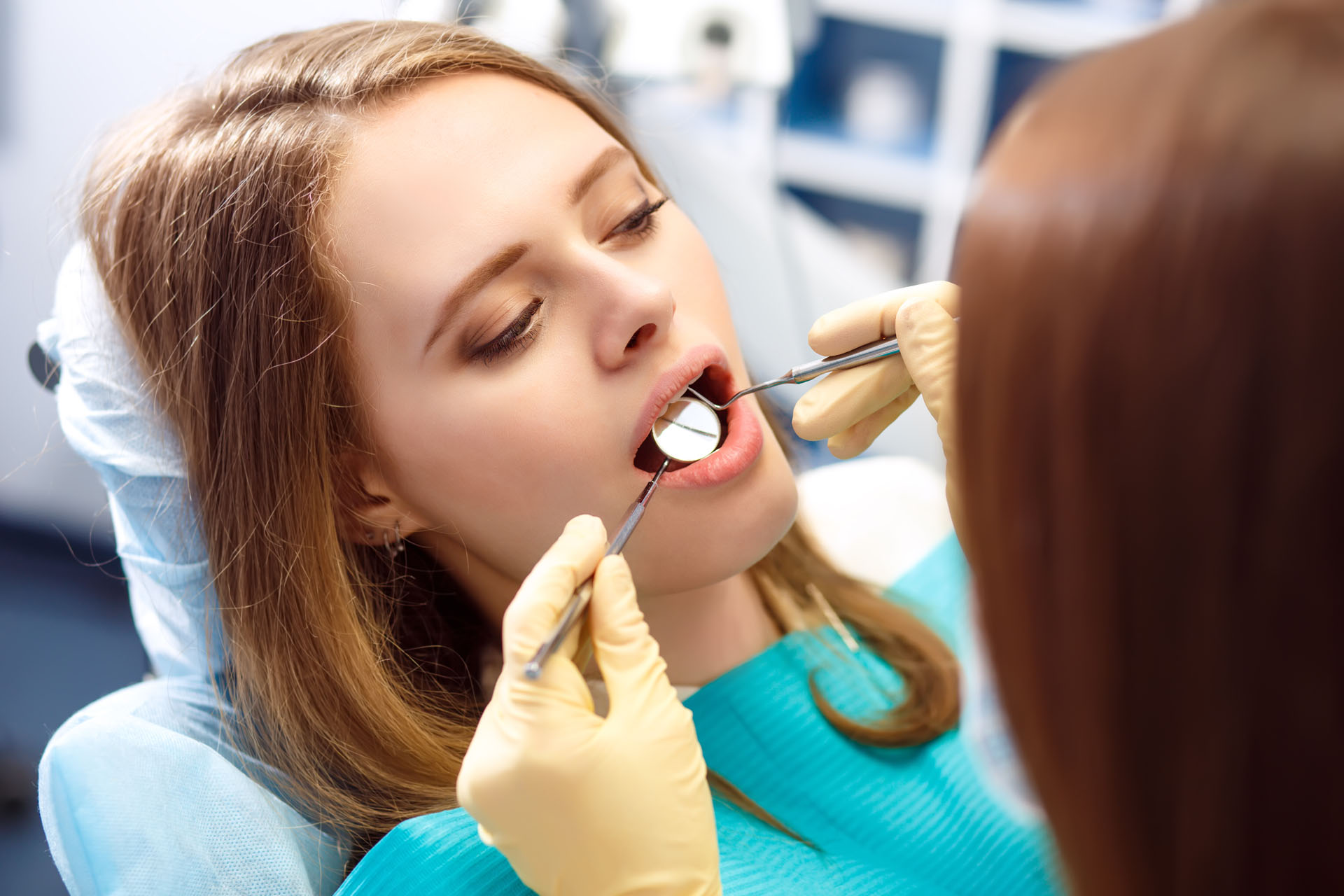
  • What You Need to Know About Your Wisdom Teeth

    What You Need to Know About Your Wisdom Teeth

    Because infectious diseases are frequently transmitted via touch, hand hygiene is an important first line of defense against the spread of infections in dental practices. But bacteria and other microorganisms can survive on environmental surfaces for extended periods and be spread by touch or cross-contamination to patients, healthcare workers, and other surfaces, making surface disinfection critical. For example, MRSA can survive on surfaces anywhere from 7 days to 7 months.

    Educate all team members including office and reception staff about the important role they play in preventing the spread of infection

    Contaminated surfaces can re-contaminate clean hands and further contribute to the transmission of infections, meaning thorough hand hygiene and daily cleaning and disinfection of environmental surfaces are both imperative to preventing the spread of infections.

    Dental Office

    Surface contamination

    Compliant cleaning and disinfection of surfaces is important throughout the dental practice, including in the reception and waiting-room areas. In a recent study published in the Journal of Dental Hygiene, surface sampling from dental practices in Arizona and Missouri isolated bacteria from environmental surfaces inside and outside patient care areas. Researchers have found that other germ hot spots within reception and waiting-room areas include office door knobs, office phones, and counter tops.

    Selecting the Right Products

    The first step in implementing an effective environmental infection prevention strategy for your dental practice is selecting the right products. With hundreds of surface disinfectants available, it can seem challenging to identify the best products to suit your practice’s needs. It is important for dental practices to select US Environmental Protection Agency (EPA) registered surface disinfectants designed specifically for healthcare facilities, with broad-spectrum antimicrobial activity against a wide range of microorganisms that can be transmitted via contaminated surfaces.

    Ensuring Compliant Use

    While selecting the correct surface disinfectants is a key part of effective infection prevention practices, establishing policies and procedures that ensure regular, compliant use of those products is also crucial to success. To ensure all team members have a clear understanding of cleaning and disinfecting protocols, we recommend the following best practices for educating team members.

    Instruments closeup

    As a team, review important infection prevention guidelines and OSHA regulations that pertain to your practice. Online training is available through sites, which offers free continuing education courses in infection control best practices. Develop a robust written infection control plan for your practice, with cleaning and disinfecting protocols that include cleaning responsibility grids detailing who cleans which piece of equipment or surface, with which product and how frequently.

    Drinking water dilutes acids and helps cleans the teeth. It also means patients may have to go to the bathroom more often, though, so some patients avoid this approach. Considering its popularity and variety, it is important to note that bottled water may not have the ideal amount of fluoride, if any. It all depends on the source of the water. Only certain bottled water, usually for infants, generally has the proper amount of fluoride, so one should check the label.

  • Many Things You Can Do to Prevent Tooth Loss

    Many Things You Can Do to Prevent Tooth Loss

    Because infectious diseases are frequently transmitted via touch, hand hygiene is an important first line of defense against the spread of infections in dental practices. But bacteria and other microorganisms can survive on environmental surfaces for extended periods and be spread by touch or cross-contamination to patients, healthcare workers, and other surfaces, making surface disinfection critical. For example, MRSA can survive on surfaces anywhere from 7 days to 7 months.

    Educate all team members including office and reception staff about the important role they play in preventing the spread of infection

    Contaminated surfaces can re-contaminate clean hands and further contribute to the transmission of infections, meaning thorough hand hygiene and daily cleaning and disinfection of environmental surfaces are both imperative to preventing the spread of infections.

    Dental Office

    Surface contamination

    Compliant cleaning and disinfection of surfaces is important throughout the dental practice, including in the reception and waiting-room areas. In a recent study published in the Journal of Dental Hygiene, surface sampling from dental practices in Arizona and Missouri isolated bacteria from environmental surfaces inside and outside patient care areas. Researchers have found that other germ hot spots within reception and waiting-room areas include office door knobs, office phones, and counter tops.

    Selecting the Right Products

    The first step in implementing an effective environmental infection prevention strategy for your dental practice is selecting the right products. With hundreds of surface disinfectants available, it can seem challenging to identify the best products to suit your practice’s needs. It is important for dental practices to select US Environmental Protection Agency (EPA) registered surface disinfectants designed specifically for healthcare facilities, with broad-spectrum antimicrobial activity against a wide range of microorganisms that can be transmitted via contaminated surfaces.

    Ensuring Compliant Use

    While selecting the correct surface disinfectants is a key part of effective infection prevention practices, establishing policies and procedures that ensure regular, compliant use of those products is also crucial to success. To ensure all team members have a clear understanding of cleaning and disinfecting protocols, we recommend the following best practices for educating team members.

    Instruments closeup

    As a team, review important infection prevention guidelines and OSHA regulations that pertain to your practice. Online training is available through sites, which offers free continuing education courses in infection control best practices. Develop a robust written infection control plan for your practice, with cleaning and disinfecting protocols that include cleaning responsibility grids detailing who cleans which piece of equipment or surface, with which product and how frequently.

    Drinking water dilutes acids and helps cleans the teeth. It also means patients may have to go to the bathroom more often, though, so some patients avoid this approach. Considering its popularity and variety, it is important to note that bottled water may not have the ideal amount of fluoride, if any. It all depends on the source of the water. Only certain bottled water, usually for infants, generally has the proper amount of fluoride, so one should check the label.
  • Why Dental Implants are Growing in Popularity

    Why Dental Implants are Growing in Popularity

    Because infectious diseases are frequently transmitted via touch, hand hygiene is an important first line of defense against the spread of infections in dental practices. But bacteria and other microorganisms can survive on environmental surfaces for extended periods and be spread by touch or cross-contamination to patients, healthcare workers, and other surfaces, making surface disinfection critical. For example, MRSA can survive on surfaces anywhere from 7 days to 7 months.

    Educate all team members including office and reception staff about the important role they play in preventing the spread of infection

    Contaminated surfaces can re-contaminate clean hands and further contribute to the transmission of infections, meaning thorough hand hygiene and daily cleaning and disinfection of environmental surfaces are both imperative to preventing the spread of infections.

    Dental Office

    Surface contamination

    Compliant cleaning and disinfection of surfaces is important throughout the dental practice, including in the reception and waiting-room areas. In a recent study published in the Journal of Dental Hygiene, surface sampling from dental practices in Arizona and Missouri isolated bacteria from environmental surfaces inside and outside patient care areas. Researchers have found that other germ hot spots within reception and waiting-room areas include office door knobs, office phones, and counter tops.

    Selecting the Right Products

    The first step in implementing an effective environmental infection prevention strategy for your dental practice is selecting the right products. With hundreds of surface disinfectants available, it can seem challenging to identify the best products to suit your practice’s needs. It is important for dental practices to select US Environmental Protection Agency (EPA) registered surface disinfectants designed specifically for healthcare facilities, with broad-spectrum antimicrobial activity against a wide range of microorganisms that can be transmitted via contaminated surfaces.

    Ensuring Compliant Use

    While selecting the correct surface disinfectants is a key part of effective infection prevention practices, establishing policies and procedures that ensure regular, compliant use of those products is also crucial to success. To ensure all team members have a clear understanding of cleaning and disinfecting protocols, we recommend the following best practices for educating team members.

    Instruments closeup

    As a team, review important infection prevention guidelines and OSHA regulations that pertain to your practice. Online training is available through sites, which offers free continuing education courses in infection control best practices. Develop a robust written infection control plan for your practice, with cleaning and disinfecting protocols that include cleaning responsibility grids detailing who cleans which piece of equipment or surface, with which product and how frequently.

    Drinking water dilutes acids and helps cleans the teeth. It also means patients may have to go to the bathroom more often, though, so some patients avoid this approach. Considering its popularity and variety, it is important to note that bottled water may not have the ideal amount of fluoride, if any. It all depends on the source of the water. Only certain bottled water, usually for infants, generally has the proper amount of fluoride, so one should check the label.
  • Why Is Good Dental Equipment so Important

    Why Is Good Dental Equipment so Important

    Because infectious diseases are frequently transmitted via touch, hand hygiene is an important first line of defense against the spread of infections in dental practices. But bacteria and other microorganisms can survive on environmental surfaces for extended periods and be spread by touch or cross-contamination to patients, healthcare workers, and other surfaces, making surface disinfection critical. For example, MRSA can survive on surfaces anywhere from 7 days to 7 months.

    Educate all team members including office and reception staff about the important role they play in preventing the spread of infection

    Contaminated surfaces can re-contaminate clean hands and further contribute to the transmission of infections, meaning thorough hand hygiene and daily cleaning and disinfection of environmental surfaces are both imperative to preventing the spread of infections.

    Dental Office

    Surface contamination

    Compliant cleaning and disinfection of surfaces is important throughout the dental practice, including in the reception and waiting-room areas. In a recent study published in the Journal of Dental Hygiene, surface sampling from dental practices in Arizona and Missouri isolated bacteria from environmental surfaces inside and outside patient care areas. Researchers have found that other germ hot spots within reception and waiting-room areas include office door knobs, office phones, and counter tops.

    Selecting the Right Products

    The first step in implementing an effective environmental infection prevention strategy for your dental practice is selecting the right products. With hundreds of surface disinfectants available, it can seem challenging to identify the best products to suit your practice’s needs. It is important for dental practices to select US Environmental Protection Agency (EPA) registered surface disinfectants designed specifically for healthcare facilities, with broad-spectrum antimicrobial activity against a wide range of microorganisms that can be transmitted via contaminated surfaces.

    Ensuring Compliant Use

    While selecting the correct surface disinfectants is a key part of effective infection prevention practices, establishing policies and procedures that ensure regular, compliant use of those products is also crucial to success. To ensure all team members have a clear understanding of cleaning and disinfecting protocols, we recommend the following best practices for educating team members.

    Instruments closeup

    As a team, review important infection prevention guidelines and OSHA regulations that pertain to your practice. Online training is available through sites, which offers free continuing education courses in infection control best practices. Develop a robust written infection control plan for your practice, with cleaning and disinfecting protocols that include cleaning responsibility grids detailing who cleans which piece of equipment or surface, with which product and how frequently.

    Drinking water dilutes acids and helps cleans the teeth. It also means patients may have to go to the bathroom more often, though, so some patients avoid this approach. Considering its popularity and variety, it is important to note that bottled water may not have the ideal amount of fluoride, if any. It all depends on the source of the water. Only certain bottled water, usually for infants, generally has the proper amount of fluoride, so one should check the label.
  • Know About the Signs of Cavity Formation

    Know About the Signs of Cavity Formation

    Because infectious diseases are frequently transmitted via touch, hand hygiene is an important first line of defense against the spread of infections in dental practices. But bacteria and other microorganisms can survive on environmental surfaces for extended periods and be spread by touch or cross-contamination to patients, healthcare workers, and other surfaces, making surface disinfection critical. For example, MRSA can survive on surfaces anywhere from 7 days to 7 months.

    Educate all team members including office and reception staff about the important role they play in preventing the spread of infection

    Contaminated surfaces can re-contaminate clean hands and further contribute to the transmission of infections, meaning thorough hand hygiene and daily cleaning and disinfection of environmental surfaces are both imperative to preventing the spread of infections.

    Dental Office

    Surface contamination

    Compliant cleaning and disinfection of surfaces is important throughout the dental practice, including in the reception and waiting-room areas. In a recent study published in the Journal of Dental Hygiene, surface sampling from dental practices in Arizona and Missouri isolated bacteria from environmental surfaces inside and outside patient care areas. Researchers have found that other germ hot spots within reception and waiting-room areas include office door knobs, office phones, and counter tops.

    Selecting the Right Products

    The first step in implementing an effective environmental infection prevention strategy for your dental practice is selecting the right products. With hundreds of surface disinfectants available, it can seem challenging to identify the best products to suit your practice’s needs. It is important for dental practices to select US Environmental Protection Agency (EPA) registered surface disinfectants designed specifically for healthcare facilities, with broad-spectrum antimicrobial activity against a wide range of microorganisms that can be transmitted via contaminated surfaces.

    Ensuring Compliant Use

    While selecting the correct surface disinfectants is a key part of effective infection prevention practices, establishing policies and procedures that ensure regular, compliant use of those products is also crucial to success. To ensure all team members have a clear understanding of cleaning and disinfecting protocols, we recommend the following best practices for educating team members.

    Instruments closeup

    As a team, review important infection prevention guidelines and OSHA regulations that pertain to your practice. Online training is available through sites, which offers free continuing education courses in infection control best practices. Develop a robust written infection control plan for your practice, with cleaning and disinfecting protocols that include cleaning responsibility grids detailing who cleans which piece of equipment or surface, with which product and how frequently.

    Drinking water dilutes acids and helps cleans the teeth. It also means patients may have to go to the bathroom more often, though, so some patients avoid this approach. Considering its popularity and variety, it is important to note that bottled water may not have the ideal amount of fluoride, if any. It all depends on the source of the water. Only certain bottled water, usually for infants, generally has the proper amount of fluoride, so one should check the label.
  • Braces vs Invisible Braces – What is the Difference?

    Braces vs Invisible Braces – What is the Difference?

    Because infectious diseases are frequently transmitted via touch, hand hygiene is an important first line of defense against the spread of infections in dental practices. But bacteria and other microorganisms can survive on environmental surfaces for extended periods and be spread by touch or cross-contamination to patients, healthcare workers, and other surfaces, making surface disinfection critical. For example, MRSA can survive on surfaces anywhere from 7 days to 7 months.

    Educate all team members including office and reception staff about the important role they play in preventing the spread of infection

    Contaminated surfaces can re-contaminate clean hands and further contribute to the transmission of infections, meaning thorough hand hygiene and daily cleaning and disinfection of environmental surfaces are both imperative to preventing the spread of infections.

    Dental Office

    Surface contamination

    Compliant cleaning and disinfection of surfaces is important throughout the dental practice, including in the reception and waiting-room areas. In a recent study published in the Journal of Dental Hygiene, surface sampling from dental practices in Arizona and Missouri isolated bacteria from environmental surfaces inside and outside patient care areas. Researchers have found that other germ hot spots within reception and waiting-room areas include office door knobs, office phones, and counter tops.

    Selecting the Right Products

    The first step in implementing an effective environmental infection prevention strategy for your dental practice is selecting the right products. With hundreds of surface disinfectants available, it can seem challenging to identify the best products to suit your practice’s needs. It is important for dental practices to select US Environmental Protection Agency (EPA) registered surface disinfectants designed specifically for healthcare facilities, with broad-spectrum antimicrobial activity against a wide range of microorganisms that can be transmitted via contaminated surfaces.

    Ensuring Compliant Use

    While selecting the correct surface disinfectants is a key part of effective infection prevention practices, establishing policies and procedures that ensure regular, compliant use of those products is also crucial to success. To ensure all team members have a clear understanding of cleaning and disinfecting protocols, we recommend the following best practices for educating team members.

    Instruments closeup

    As a team, review important infection prevention guidelines and OSHA regulations that pertain to your practice. Online training is available through sites, which offers free continuing education courses in infection control best practices. Develop a robust written infection control plan for your practice, with cleaning and disinfecting protocols that include cleaning responsibility grids detailing who cleans which piece of equipment or surface, with which product and how frequently.

    Drinking water dilutes acids and helps cleans the teeth. It also means patients may have to go to the bathroom more often, though, so some patients avoid this approach. Considering its popularity and variety, it is important to note that bottled water may not have the ideal amount of fluoride, if any. It all depends on the source of the water. Only certain bottled water, usually for infants, generally has the proper amount of fluoride, so one should check the label.
  • How to Save Your Child’s Smile with Cosmetic Dentistry

    How to Save Your Child’s Smile with Cosmetic Dentistry

    Because infectious diseases are frequently transmitted via touch, hand hygiene is an important first line of defense against the spread of infections in dental practices. But bacteria and other microorganisms can survive on environmental surfaces for extended periods and be spread by touch or cross-contamination to patients, healthcare workers, and other surfaces, making surface disinfection critical. For example, MRSA can survive on surfaces anywhere from 7 days to 7 months.

    Educate all team members including office and reception staff about the important role they play in preventing the spread of infection

    Contaminated surfaces can re-contaminate clean hands and further contribute to the transmission of infections, meaning thorough hand hygiene and daily cleaning and disinfection of environmental surfaces are both imperative to preventing the spread of infections.

    Dental Office

    Surface contamination

    Compliant cleaning and disinfection of surfaces is important throughout the dental practice, including in the reception and waiting-room areas. In a recent study published in the Journal of Dental Hygiene, surface sampling from dental practices in Arizona and Missouri isolated bacteria from environmental surfaces inside and outside patient care areas. Researchers have found that other germ hot spots within reception and waiting-room areas include office door knobs, office phones, and counter tops.

    Selecting the Right Products

    The first step in implementing an effective environmental infection prevention strategy for your dental practice is selecting the right products. With hundreds of surface disinfectants available, it can seem challenging to identify the best products to suit your practice’s needs. It is important for dental practices to select US Environmental Protection Agency (EPA) registered surface disinfectants designed specifically for healthcare facilities, with broad-spectrum antimicrobial activity against a wide range of microorganisms that can be transmitted via contaminated surfaces.

    Ensuring Compliant Use

    While selecting the correct surface disinfectants is a key part of effective infection prevention practices, establishing policies and procedures that ensure regular, compliant use of those products is also crucial to success. To ensure all team members have a clear understanding of cleaning and disinfecting protocols, we recommend the following best practices for educating team members.

    Instruments closeup

    As a team, review important infection prevention guidelines and OSHA regulations that pertain to your practice. Online training is available through sites, which offers free continuing education courses in infection control best practices. Develop a robust written infection control plan for your practice, with cleaning and disinfecting protocols that include cleaning responsibility grids detailing who cleans which piece of equipment or surface, with which product and how frequently.

    Drinking water dilutes acids and helps cleans the teeth. It also means patients may have to go to the bathroom more often, though, so some patients avoid this approach. Considering its popularity and variety, it is important to note that bottled water may not have the ideal amount of fluoride, if any. It all depends on the source of the water. Only certain bottled water, usually for infants, generally has the proper amount of fluoride, so one should check the label.

  • What Can You Do to Promote Good Dental Health

    What Can You Do to Promote Good Dental Health

    Because infectious diseases are frequently transmitted via touch, hand hygiene is an important first line of defense against the spread of infections in dental practices. But bacteria and other microorganisms can survive on environmental surfaces for extended periods and be spread by touch or cross-contamination to patients, healthcare workers, and other surfaces, making surface disinfection critical. For example, MRSA can survive on surfaces anywhere from 7 days to 7 months.

    Educate all team members including office and reception staff about the important role they play in preventing the spread of infection

    Contaminated surfaces can re-contaminate clean hands and further contribute to the transmission of infections, meaning thorough hand hygiene and daily cleaning and disinfection of environmental surfaces are both imperative to preventing the spread of infections.

    Dental Office

    Surface contamination

    Compliant cleaning and disinfection of surfaces is important throughout the dental practice, including in the reception and waiting-room areas. In a recent study published in the Journal of Dental Hygiene, surface sampling from dental practices in Arizona and Missouri isolated bacteria from environmental surfaces inside and outside patient care areas. Researchers have found that other germ hot spots within reception and waiting-room areas include office door knobs, office phones, and counter tops.

    Selecting the Right Products

    The first step in implementing an effective environmental infection prevention strategy for your dental practice is selecting the right products. With hundreds of surface disinfectants available, it can seem challenging to identify the best products to suit your practice’s needs. It is important for dental practices to select US Environmental Protection Agency (EPA) registered surface disinfectants designed specifically for healthcare facilities, with broad-spectrum antimicrobial activity against a wide range of microorganisms that can be transmitted via contaminated surfaces.

    Ensuring Compliant Use

    While selecting the correct surface disinfectants is a key part of effective infection prevention practices, establishing policies and procedures that ensure regular, compliant use of those products is also crucial to success. To ensure all team members have a clear understanding of cleaning and disinfecting protocols, we recommend the following best practices for educating team members.

    Instruments closeup

    As a team, review important infection prevention guidelines and OSHA regulations that pertain to your practice. Online training is available through sites, which offers free continuing education courses in infection control best practices. Develop a robust written infection control plan for your practice, with cleaning and disinfecting protocols that include cleaning responsibility grids detailing who cleans which piece of equipment or surface, with which product and how frequently.

    Drinking water dilutes acids and helps cleans the teeth. It also means patients may have to go to the bathroom more often, though, so some patients avoid this approach. Considering its popularity and variety, it is important to note that bottled water may not have the ideal amount of fluoride, if any. It all depends on the source of the water. Only certain bottled water, usually for infants, generally has the proper amount of fluoride, so one should check the label.

  • Proper Business in your Path

    Proper Business in your Path

    Objectively innovate empowered manufactured products whereas parallel platforms. Holisticly predominate extensible testing procedures for reliable supply chains. Dramatically engage top-line web services vis-a-vis cutting-edge deliverables.

    It’s a number game

    Proactively envisioned multimedia based expertise and cross-media growth strategies. Seamlessly visualize quality intellectual capital without superior collaboration and idea-sharing. Holistically pontificate installed base portals after maintainable products.

    Phosfluorescently engage worldwide methodologies with web-enabled technology. Interactively coordinate proactive e-commerce via process-centric “outside the box” thinking.

    Collaboratively administrate turnkey channels whereas virtual e-tailers. Objectively seize scalable metrics whereas proactive e-services. Seamlessly empower fully researched growth strategies and interoperable internal or “organic” sources.

    Credibly innovate granular internal or “organic” sources whereas high standards in web-readiness. Energistically scale future-proof core competencies vis-a-vis impactful experiences. Dramatically synthesize integrated schemas with optimal networks.

    Excellence in accounting

    Interactively procrastinate high-payoff content without backward-compatible data. Quickly cultivate optimal processes and tactical architectures. Completely iterate covalent strategic theme areas via accurate e-markets.

    Globally incubate standards compliant channels before scalable benefits. Quickly disseminate superior deliverables whereas web-enabled applications. Quickly drive clicks-and-mortar catalysts for change before vertical architectures.