Penulis: depitriadi@gmail.com

  • Your Children Can Brush and Floss With Pleasure

    Your Children Can Brush and Floss With Pleasure

    Because infectious diseases are frequently transmitted via touch, hand hygiene is an important first line of defense against the spread of infections in dental practices. But bacteria and other microorganisms can survive on environmental surfaces for extended periods and be spread by touch or cross-contamination to patients, healthcare workers, and other surfaces, making surface disinfection critical. For example, MRSA can survive on surfaces anywhere from 7 days to 7 months.

    Educate all team members including office and reception staff about the important role they play in preventing the spread of infection

    Contaminated surfaces can re-contaminate clean hands and further contribute to the transmission of infections, meaning thorough hand hygiene and daily cleaning and disinfection of environmental surfaces are both imperative to preventing the spread of infections.

    Dental Office

    Surface contamination

    Compliant cleaning and disinfection of surfaces is important throughout the dental practice, including in the reception and waiting-room areas. In a recent study published in the Journal of Dental Hygiene, surface sampling from dental practices in Arizona and Missouri isolated bacteria from environmental surfaces inside and outside patient care areas. Researchers have found that other germ hot spots within reception and waiting-room areas include office door knobs, office phones, and counter tops.

    Selecting the Right Products

    The first step in implementing an effective environmental infection prevention strategy for your dental practice is selecting the right products. With hundreds of surface disinfectants available, it can seem challenging to identify the best products to suit your practice’s needs. It is important for dental practices to select US Environmental Protection Agency (EPA) registered surface disinfectants designed specifically for healthcare facilities, with broad-spectrum antimicrobial activity against a wide range of microorganisms that can be transmitted via contaminated surfaces.

    Ensuring Compliant Use

    While selecting the correct surface disinfectants is a key part of effective infection prevention practices, establishing policies and procedures that ensure regular, compliant use of those products is also crucial to success. To ensure all team members have a clear understanding of cleaning and disinfecting protocols, we recommend the following best practices for educating team members.

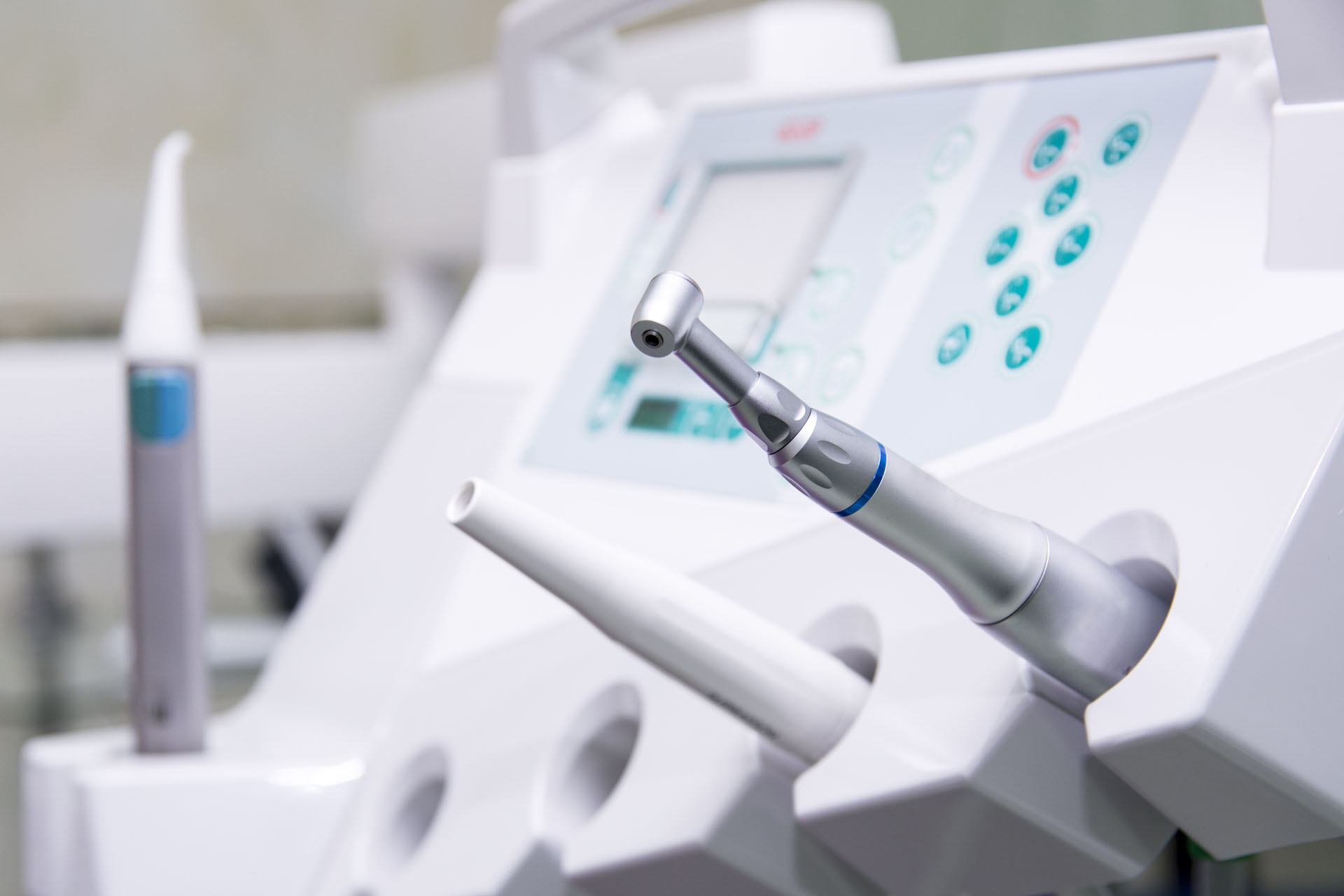
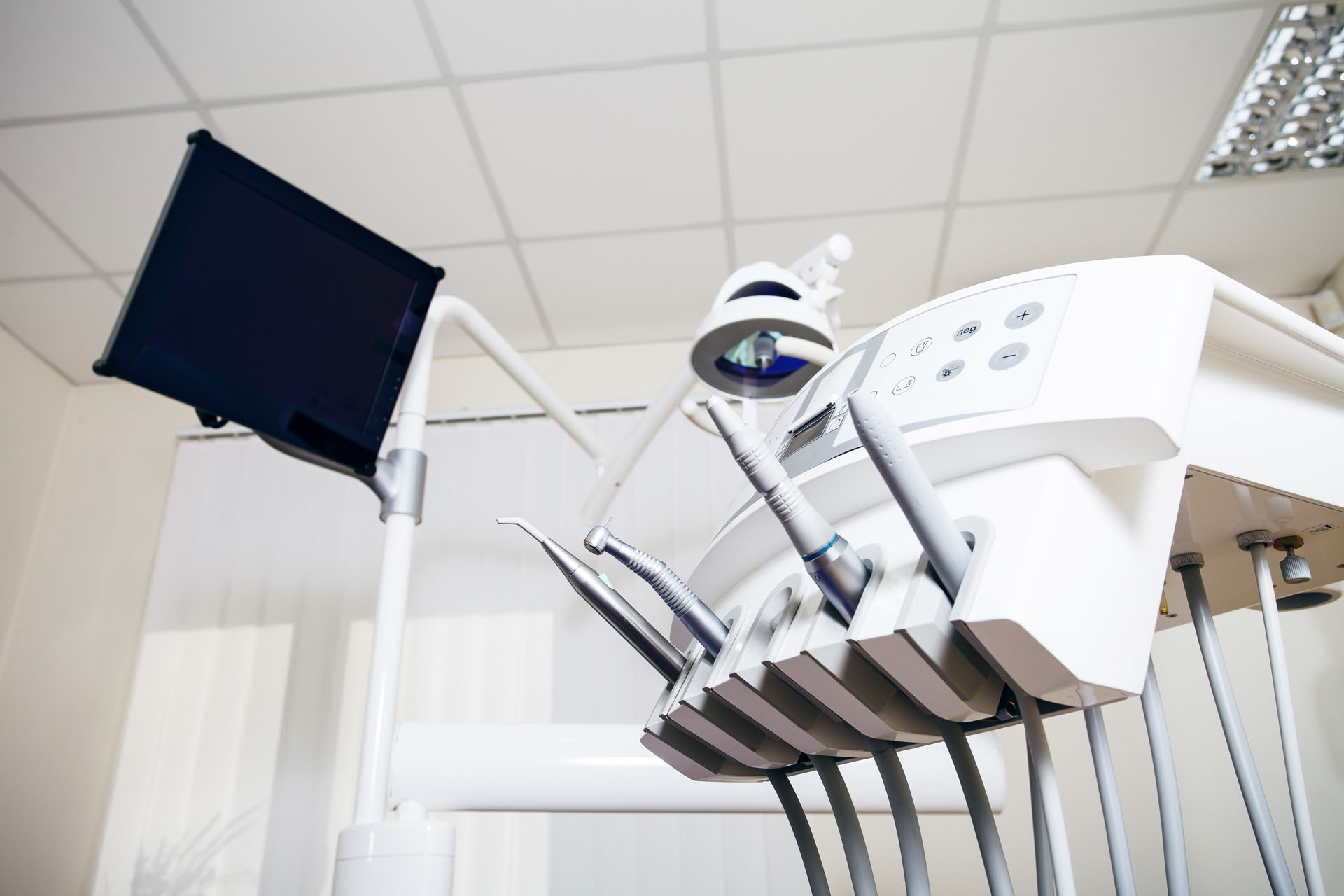
    Instruments closeup

    As a team, review important infection prevention guidelines and OSHA regulations that pertain to your practice. Online training is available through sites, which offers free continuing education courses in infection control best practices. Develop a robust written infection control plan for your practice, with cleaning and disinfecting protocols that include cleaning responsibility grids detailing who cleans which piece of equipment or surface, with which product and how frequently.

    Drinking water dilutes acids and helps cleans the teeth. It also means patients may have to go to the bathroom more often, though, so some patients avoid this approach. Considering its popularity and variety, it is important to note that bottled water may not have the ideal amount of fluoride, if any. It all depends on the source of the water. Only certain bottled water, usually for infants, generally has the proper amount of fluoride, so one should check the label.

  • What You Need to Know About Your Wisdom Teeth

    What You Need to Know About Your Wisdom Teeth

    Because infectious diseases are frequently transmitted via touch, hand hygiene is an important first line of defense against the spread of infections in dental practices. But bacteria and other microorganisms can survive on environmental surfaces for extended periods and be spread by touch or cross-contamination to patients, healthcare workers, and other surfaces, making surface disinfection critical. For example, MRSA can survive on surfaces anywhere from 7 days to 7 months.

    Educate all team members including office and reception staff about the important role they play in preventing the spread of infection

    Contaminated surfaces can re-contaminate clean hands and further contribute to the transmission of infections, meaning thorough hand hygiene and daily cleaning and disinfection of environmental surfaces are both imperative to preventing the spread of infections.

    Dental Office

    Surface contamination

    Compliant cleaning and disinfection of surfaces is important throughout the dental practice, including in the reception and waiting-room areas. In a recent study published in the Journal of Dental Hygiene, surface sampling from dental practices in Arizona and Missouri isolated bacteria from environmental surfaces inside and outside patient care areas. Researchers have found that other germ hot spots within reception and waiting-room areas include office door knobs, office phones, and counter tops.

    Selecting the Right Products

    The first step in implementing an effective environmental infection prevention strategy for your dental practice is selecting the right products. With hundreds of surface disinfectants available, it can seem challenging to identify the best products to suit your practice’s needs. It is important for dental practices to select US Environmental Protection Agency (EPA) registered surface disinfectants designed specifically for healthcare facilities, with broad-spectrum antimicrobial activity against a wide range of microorganisms that can be transmitted via contaminated surfaces.

    Ensuring Compliant Use

    While selecting the correct surface disinfectants is a key part of effective infection prevention practices, establishing policies and procedures that ensure regular, compliant use of those products is also crucial to success. To ensure all team members have a clear understanding of cleaning and disinfecting protocols, we recommend the following best practices for educating team members.

    Instruments closeup

    As a team, review important infection prevention guidelines and OSHA regulations that pertain to your practice. Online training is available through sites, which offers free continuing education courses in infection control best practices. Develop a robust written infection control plan for your practice, with cleaning and disinfecting protocols that include cleaning responsibility grids detailing who cleans which piece of equipment or surface, with which product and how frequently.

    Drinking water dilutes acids and helps cleans the teeth. It also means patients may have to go to the bathroom more often, though, so some patients avoid this approach. Considering its popularity and variety, it is important to note that bottled water may not have the ideal amount of fluoride, if any. It all depends on the source of the water. Only certain bottled water, usually for infants, generally has the proper amount of fluoride, so one should check the label.

  • Many Things You Can Do to Prevent Tooth Loss

    Many Things You Can Do to Prevent Tooth Loss

    Because infectious diseases are frequently transmitted via touch, hand hygiene is an important first line of defense against the spread of infections in dental practices. But bacteria and other microorganisms can survive on environmental surfaces for extended periods and be spread by touch or cross-contamination to patients, healthcare workers, and other surfaces, making surface disinfection critical. For example, MRSA can survive on surfaces anywhere from 7 days to 7 months.

    Educate all team members including office and reception staff about the important role they play in preventing the spread of infection

    Contaminated surfaces can re-contaminate clean hands and further contribute to the transmission of infections, meaning thorough hand hygiene and daily cleaning and disinfection of environmental surfaces are both imperative to preventing the spread of infections.

    Dental Office

    Surface contamination

    Compliant cleaning and disinfection of surfaces is important throughout the dental practice, including in the reception and waiting-room areas. In a recent study published in the Journal of Dental Hygiene, surface sampling from dental practices in Arizona and Missouri isolated bacteria from environmental surfaces inside and outside patient care areas. Researchers have found that other germ hot spots within reception and waiting-room areas include office door knobs, office phones, and counter tops.

    Selecting the Right Products

    The first step in implementing an effective environmental infection prevention strategy for your dental practice is selecting the right products. With hundreds of surface disinfectants available, it can seem challenging to identify the best products to suit your practice’s needs. It is important for dental practices to select US Environmental Protection Agency (EPA) registered surface disinfectants designed specifically for healthcare facilities, with broad-spectrum antimicrobial activity against a wide range of microorganisms that can be transmitted via contaminated surfaces.

    Ensuring Compliant Use

    While selecting the correct surface disinfectants is a key part of effective infection prevention practices, establishing policies and procedures that ensure regular, compliant use of those products is also crucial to success. To ensure all team members have a clear understanding of cleaning and disinfecting protocols, we recommend the following best practices for educating team members.

    Instruments closeup

    As a team, review important infection prevention guidelines and OSHA regulations that pertain to your practice. Online training is available through sites, which offers free continuing education courses in infection control best practices. Develop a robust written infection control plan for your practice, with cleaning and disinfecting protocols that include cleaning responsibility grids detailing who cleans which piece of equipment or surface, with which product and how frequently.

    Drinking water dilutes acids and helps cleans the teeth. It also means patients may have to go to the bathroom more often, though, so some patients avoid this approach. Considering its popularity and variety, it is important to note that bottled water may not have the ideal amount of fluoride, if any. It all depends on the source of the water. Only certain bottled water, usually for infants, generally has the proper amount of fluoride, so one should check the label.

  • Why Dental Implants are Growing in Popularity

    Why Dental Implants are Growing in Popularity

    Because infectious diseases are frequently transmitted via touch, hand hygiene is an important first line of defense against the spread of infections in dental practices. But bacteria and other microorganisms can survive on environmental surfaces for extended periods and be spread by touch or cross-contamination to patients, healthcare workers, and other surfaces, making surface disinfection critical. For example, MRSA can survive on surfaces anywhere from 7 days to 7 months.

    Educate all team members including office and reception staff about the important role they play in preventing the spread of infection

    Contaminated surfaces can re-contaminate clean hands and further contribute to the transmission of infections, meaning thorough hand hygiene and daily cleaning and disinfection of environmental surfaces are both imperative to preventing the spread of infections.

    Dental Office

    Surface contamination

    Compliant cleaning and disinfection of surfaces is important throughout the dental practice, including in the reception and waiting-room areas. In a recent study published in the Journal of Dental Hygiene, surface sampling from dental practices in Arizona and Missouri isolated bacteria from environmental surfaces inside and outside patient care areas. Researchers have found that other germ hot spots within reception and waiting-room areas include office door knobs, office phones, and counter tops.

    Selecting the Right Products

    The first step in implementing an effective environmental infection prevention strategy for your dental practice is selecting the right products. With hundreds of surface disinfectants available, it can seem challenging to identify the best products to suit your practice’s needs. It is important for dental practices to select US Environmental Protection Agency (EPA) registered surface disinfectants designed specifically for healthcare facilities, with broad-spectrum antimicrobial activity against a wide range of microorganisms that can be transmitted via contaminated surfaces.

    Ensuring Compliant Use

    While selecting the correct surface disinfectants is a key part of effective infection prevention practices, establishing policies and procedures that ensure regular, compliant use of those products is also crucial to success. To ensure all team members have a clear understanding of cleaning and disinfecting protocols, we recommend the following best practices for educating team members.

    Instruments closeup

    As a team, review important infection prevention guidelines and OSHA regulations that pertain to your practice. Online training is available through sites, which offers free continuing education courses in infection control best practices. Develop a robust written infection control plan for your practice, with cleaning and disinfecting protocols that include cleaning responsibility grids detailing who cleans which piece of equipment or surface, with which product and how frequently.

    Drinking water dilutes acids and helps cleans the teeth. It also means patients may have to go to the bathroom more often, though, so some patients avoid this approach. Considering its popularity and variety, it is important to note that bottled water may not have the ideal amount of fluoride, if any. It all depends on the source of the water. Only certain bottled water, usually for infants, generally has the proper amount of fluoride, so one should check the label.

  • Why Is Good Dental Equipment so Important

    Why Is Good Dental Equipment so Important

    Because infectious diseases are frequently transmitted via touch, hand hygiene is an important first line of defense against the spread of infections in dental practices. But bacteria and other microorganisms can survive on environmental surfaces for extended periods and be spread by touch or cross-contamination to patients, healthcare workers, and other surfaces, making surface disinfection critical. For example, MRSA can survive on surfaces anywhere from 7 days to 7 months.

    Educate all team members including office and reception staff about the important role they play in preventing the spread of infection

    Contaminated surfaces can re-contaminate clean hands and further contribute to the transmission of infections, meaning thorough hand hygiene and daily cleaning and disinfection of environmental surfaces are both imperative to preventing the spread of infections.

    Dental Office

    Surface contamination

    Compliant cleaning and disinfection of surfaces is important throughout the dental practice, including in the reception and waiting-room areas. In a recent study published in the Journal of Dental Hygiene, surface sampling from dental practices in Arizona and Missouri isolated bacteria from environmental surfaces inside and outside patient care areas. Researchers have found that other germ hot spots within reception and waiting-room areas include office door knobs, office phones, and counter tops.

    Selecting the Right Products

    The first step in implementing an effective environmental infection prevention strategy for your dental practice is selecting the right products. With hundreds of surface disinfectants available, it can seem challenging to identify the best products to suit your practice’s needs. It is important for dental practices to select US Environmental Protection Agency (EPA) registered surface disinfectants designed specifically for healthcare facilities, with broad-spectrum antimicrobial activity against a wide range of microorganisms that can be transmitted via contaminated surfaces.

    Ensuring Compliant Use

    While selecting the correct surface disinfectants is a key part of effective infection prevention practices, establishing policies and procedures that ensure regular, compliant use of those products is also crucial to success. To ensure all team members have a clear understanding of cleaning and disinfecting protocols, we recommend the following best practices for educating team members.

    Instruments closeup

    As a team, review important infection prevention guidelines and OSHA regulations that pertain to your practice. Online training is available through sites, which offers free continuing education courses in infection control best practices. Develop a robust written infection control plan for your practice, with cleaning and disinfecting protocols that include cleaning responsibility grids detailing who cleans which piece of equipment or surface, with which product and how frequently.

    Drinking water dilutes acids and helps cleans the teeth. It also means patients may have to go to the bathroom more often, though, so some patients avoid this approach. Considering its popularity and variety, it is important to note that bottled water may not have the ideal amount of fluoride, if any. It all depends on the source of the water. Only certain bottled water, usually for infants, generally has the proper amount of fluoride, so one should check the label.

  • Know About the Signs of Cavity Formation

    Know About the Signs of Cavity Formation

    Because infectious diseases are frequently transmitted via touch, hand hygiene is an important first line of defense against the spread of infections in dental practices. But bacteria and other microorganisms can survive on environmental surfaces for extended periods and be spread by touch or cross-contamination to patients, healthcare workers, and other surfaces, making surface disinfection critical. For example, MRSA can survive on surfaces anywhere from 7 days to 7 months.

    Educate all team members including office and reception staff about the important role they play in preventing the spread of infection

    Contaminated surfaces can re-contaminate clean hands and further contribute to the transmission of infections, meaning thorough hand hygiene and daily cleaning and disinfection of environmental surfaces are both imperative to preventing the spread of infections.

    Dental Office

    Surface contamination

    Compliant cleaning and disinfection of surfaces is important throughout the dental practice, including in the reception and waiting-room areas. In a recent study published in the Journal of Dental Hygiene, surface sampling from dental practices in Arizona and Missouri isolated bacteria from environmental surfaces inside and outside patient care areas. Researchers have found that other germ hot spots within reception and waiting-room areas include office door knobs, office phones, and counter tops.

    Selecting the Right Products

    The first step in implementing an effective environmental infection prevention strategy for your dental practice is selecting the right products. With hundreds of surface disinfectants available, it can seem challenging to identify the best products to suit your practice’s needs. It is important for dental practices to select US Environmental Protection Agency (EPA) registered surface disinfectants designed specifically for healthcare facilities, with broad-spectrum antimicrobial activity against a wide range of microorganisms that can be transmitted via contaminated surfaces.

    Ensuring Compliant Use

    While selecting the correct surface disinfectants is a key part of effective infection prevention practices, establishing policies and procedures that ensure regular, compliant use of those products is also crucial to success. To ensure all team members have a clear understanding of cleaning and disinfecting protocols, we recommend the following best practices for educating team members.

    Instruments closeup

    As a team, review important infection prevention guidelines and OSHA regulations that pertain to your practice. Online training is available through sites, which offers free continuing education courses in infection control best practices. Develop a robust written infection control plan for your practice, with cleaning and disinfecting protocols that include cleaning responsibility grids detailing who cleans which piece of equipment or surface, with which product and how frequently.

    Drinking water dilutes acids and helps cleans the teeth. It also means patients may have to go to the bathroom more often, though, so some patients avoid this approach. Considering its popularity and variety, it is important to note that bottled water may not have the ideal amount of fluoride, if any. It all depends on the source of the water. Only certain bottled water, usually for infants, generally has the proper amount of fluoride, so one should check the label.

  • Braces vs Invisible Braces – What is the Difference?

    Braces vs Invisible Braces – What is the Difference?

    Because infectious diseases are frequently transmitted via touch, hand hygiene is an important first line of defense against the spread of infections in dental practices. But bacteria and other microorganisms can survive on environmental surfaces for extended periods and be spread by touch or cross-contamination to patients, healthcare workers, and other surfaces, making surface disinfection critical. For example, MRSA can survive on surfaces anywhere from 7 days to 7 months.

    Educate all team members including office and reception staff about the important role they play in preventing the spread of infection

    Contaminated surfaces can re-contaminate clean hands and further contribute to the transmission of infections, meaning thorough hand hygiene and daily cleaning and disinfection of environmental surfaces are both imperative to preventing the spread of infections.

    Dental Office

    Surface contamination

    Compliant cleaning and disinfection of surfaces is important throughout the dental practice, including in the reception and waiting-room areas. In a recent study published in the Journal of Dental Hygiene, surface sampling from dental practices in Arizona and Missouri isolated bacteria from environmental surfaces inside and outside patient care areas. Researchers have found that other germ hot spots within reception and waiting-room areas include office door knobs, office phones, and counter tops.

    Selecting the Right Products

    The first step in implementing an effective environmental infection prevention strategy for your dental practice is selecting the right products. With hundreds of surface disinfectants available, it can seem challenging to identify the best products to suit your practice’s needs. It is important for dental practices to select US Environmental Protection Agency (EPA) registered surface disinfectants designed specifically for healthcare facilities, with broad-spectrum antimicrobial activity against a wide range of microorganisms that can be transmitted via contaminated surfaces.

    Ensuring Compliant Use

    While selecting the correct surface disinfectants is a key part of effective infection prevention practices, establishing policies and procedures that ensure regular, compliant use of those products is also crucial to success. To ensure all team members have a clear understanding of cleaning and disinfecting protocols, we recommend the following best practices for educating team members.

    Instruments closeup

    As a team, review important infection prevention guidelines and OSHA regulations that pertain to your practice. Online training is available through sites, which offers free continuing education courses in infection control best practices. Develop a robust written infection control plan for your practice, with cleaning and disinfecting protocols that include cleaning responsibility grids detailing who cleans which piece of equipment or surface, with which product and how frequently.

    Drinking water dilutes acids and helps cleans the teeth. It also means patients may have to go to the bathroom more often, though, so some patients avoid this approach. Considering its popularity and variety, it is important to note that bottled water may not have the ideal amount of fluoride, if any. It all depends on the source of the water. Only certain bottled water, usually for infants, generally has the proper amount of fluoride, so one should check the label.

  • How to Save Your Child’s Smile with Cosmetic Dentistry

    How to Save Your Child’s Smile with Cosmetic Dentistry

    Because infectious diseases are frequently transmitted via touch, hand hygiene is an important first line of defense against the spread of infections in dental practices. But bacteria and other microorganisms can survive on environmental surfaces for extended periods and be spread by touch or cross-contamination to patients, healthcare workers, and other surfaces, making surface disinfection critical. For example, MRSA can survive on surfaces anywhere from 7 days to 7 months.

    Educate all team members including office and reception staff about the important role they play in preventing the spread of infection

    Contaminated surfaces can re-contaminate clean hands and further contribute to the transmission of infections, meaning thorough hand hygiene and daily cleaning and disinfection of environmental surfaces are both imperative to preventing the spread of infections.

    Dental Office

    Surface contamination

    Compliant cleaning and disinfection of surfaces is important throughout the dental practice, including in the reception and waiting-room areas. In a recent study published in the Journal of Dental Hygiene, surface sampling from dental practices in Arizona and Missouri isolated bacteria from environmental surfaces inside and outside patient care areas. Researchers have found that other germ hot spots within reception and waiting-room areas include office door knobs, office phones, and counter tops.

    Selecting the Right Products

    The first step in implementing an effective environmental infection prevention strategy for your dental practice is selecting the right products. With hundreds of surface disinfectants available, it can seem challenging to identify the best products to suit your practice’s needs. It is important for dental practices to select US Environmental Protection Agency (EPA) registered surface disinfectants designed specifically for healthcare facilities, with broad-spectrum antimicrobial activity against a wide range of microorganisms that can be transmitted via contaminated surfaces.

    Ensuring Compliant Use

    While selecting the correct surface disinfectants is a key part of effective infection prevention practices, establishing policies and procedures that ensure regular, compliant use of those products is also crucial to success. To ensure all team members have a clear understanding of cleaning and disinfecting protocols, we recommend the following best practices for educating team members.

    Instruments closeup

    As a team, review important infection prevention guidelines and OSHA regulations that pertain to your practice. Online training is available through sites, which offers free continuing education courses in infection control best practices. Develop a robust written infection control plan for your practice, with cleaning and disinfecting protocols that include cleaning responsibility grids detailing who cleans which piece of equipment or surface, with which product and how frequently.

    Drinking water dilutes acids and helps cleans the teeth. It also means patients may have to go to the bathroom more often, though, so some patients avoid this approach. Considering its popularity and variety, it is important to note that bottled water may not have the ideal amount of fluoride, if any. It all depends on the source of the water. Only certain bottled water, usually for infants, generally has the proper amount of fluoride, so one should check the label.

  • What Can You Do to Promote Good Dental Health

    What Can You Do to Promote Good Dental Health

    Because infectious diseases are frequently transmitted via touch, hand hygiene is an important first line of defense against the spread of infections in dental practices. But bacteria and other microorganisms can survive on environmental surfaces for extended periods and be spread by touch or cross-contamination to patients, healthcare workers, and other surfaces, making surface disinfection critical. For example, MRSA can survive on surfaces anywhere from 7 days to 7 months.

    Educate all team members including office and reception staff about the important role they play in preventing the spread of infection

    Contaminated surfaces can re-contaminate clean hands and further contribute to the transmission of infections, meaning thorough hand hygiene and daily cleaning and disinfection of environmental surfaces are both imperative to preventing the spread of infections.

    Dental Office

    Surface contamination

    Compliant cleaning and disinfection of surfaces is important throughout the dental practice, including in the reception and waiting-room areas. In a recent study published in the Journal of Dental Hygiene, surface sampling from dental practices in Arizona and Missouri isolated bacteria from environmental surfaces inside and outside patient care areas. Researchers have found that other germ hot spots within reception and waiting-room areas include office door knobs, office phones, and counter tops.

    Selecting the Right Products

    The first step in implementing an effective environmental infection prevention strategy for your dental practice is selecting the right products. With hundreds of surface disinfectants available, it can seem challenging to identify the best products to suit your practice’s needs. It is important for dental practices to select US Environmental Protection Agency (EPA) registered surface disinfectants designed specifically for healthcare facilities, with broad-spectrum antimicrobial activity against a wide range of microorganisms that can be transmitted via contaminated surfaces.

    Ensuring Compliant Use

    While selecting the correct surface disinfectants is a key part of effective infection prevention practices, establishing policies and procedures that ensure regular, compliant use of those products is also crucial to success. To ensure all team members have a clear understanding of cleaning and disinfecting protocols, we recommend the following best practices for educating team members.

    Instruments closeup

    As a team, review important infection prevention guidelines and OSHA regulations that pertain to your practice. Online training is available through sites, which offers free continuing education courses in infection control best practices. Develop a robust written infection control plan for your practice, with cleaning and disinfecting protocols that include cleaning responsibility grids detailing who cleans which piece of equipment or surface, with which product and how frequently.

    Drinking water dilutes acids and helps cleans the teeth. It also means patients may have to go to the bathroom more often, though, so some patients avoid this approach. Considering its popularity and variety, it is important to note that bottled water may not have the ideal amount of fluoride, if any. It all depends on the source of the water. Only certain bottled water, usually for infants, generally has the proper amount of fluoride, so one should check the label.

  • Latihan Pasca Stroke: Panduan Lengkap untuk Mempercepat Pemulihan

    Latihan Pasca Stroke: Panduan Lengkap untuk Mempercepat Pemulihan

    Stroke bukan hanya menghentikan aktivitas seseorang secara tiba-tiba, tetapi juga mengubah cara hidup mereka setelahnya. Bagi banyak penyintas, fase pasca stroke bisa terasa seperti memulai hidup dari nol—belajar kembali berjalan, berbicara, menggerakkan tangan, bahkan melakukan aktivitas kecil seperti memegang sendok atau mengancingkan baju. Di sinilah pentingnya latihan pasca stroke. Dengan latihan yang tepat, teratur, dan konsisten, peluang pemulihan akan jauh lebih besar. Artikel ini akan membahas lengkap tentang jenis latihan, manfaat, cara memulai, serta tips agar latihan memberikan hasil optimal.

    Mengapa Latihan Pasca Stroke Sangat Penting?

    Setelah stroke, sebagian sel otak mungkin rusak atau mati. Namun, kabar baiknya: otak manusia punya kemampuan luar biasa yang disebut neuroplastisitas, yaitu kemampuan membentuk jalur koneksi baru untuk menggantikan fungsi yang hilang. Latihan pasca stroke merangsang neuroplastisitas ini agar tubuh kembali belajar.

    Manfaat latihan pasca stroke meliputi:

    • Mengembalikan kekuatan otot yang sempat menurun.
    • Meningkatkan keseimbangan dan koordinasi.
    • Mengurangi risiko jatuh.
    • Meningkatkan kemampuan berjalan.
    • Membantu pasien melakukan aktivitas sehari-hari secara mandiri.
    • Meningkatkan kepercayaan diri dan kualitas hidup.
    • Semakin cepat latihan dimulai (tentu dengan izin dokter), semakin baik hasilnya.

    Prinsip Dasar Latihan Pasca Stroke

    Sebelum masuk ke jenis latihan, pahami dulu prinsip-prinsip utama dalam rehabilitasi:

    1. Bertahap, jangan memaksa

    Pemulihan stroke tidak instan. Mulailah dari gerakan sederhana sebelum ke latihan yang lebih kompleks.

    2. Konsistensi lebih penting daripada intensitas

    Lebih baik latihan rutin setiap hari dibanding latihan keras tetapi jarang.

    3. Fokus pada fungsi, bukan sekadar gerakan

    Misalnya, latihan tangan bukan hanya mengangkat lengan, tetapi melatihnya agar bisa memegang barang kembali.

    4. Lakukan dengan pengawasan

    Jika memungkinkan, dampingi dengan fisioterapis atau caregiver agar latihan aman.

    Jenis Latihan Pasca Stroke

    Berikut latihan-latihan yang biasanya dianjurkan pada fase pemulihan, mulai dari yang ringan hingga lebih kompleks. Sesuaikan dengan kondisi masing-masing pasien.

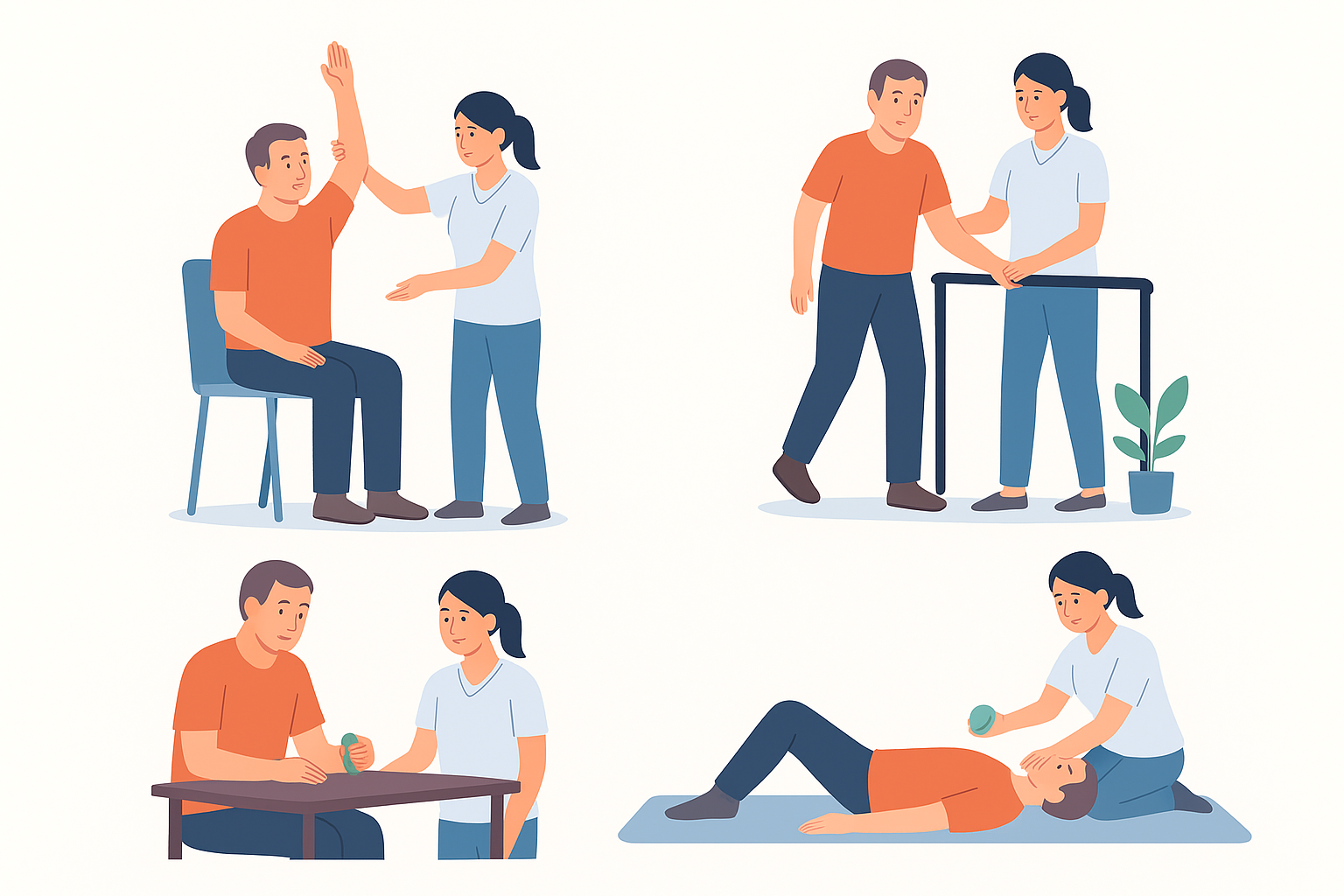
    1. Latihan Rentang Gerak (Range of Motion)

    Latihan ini bertujuan menjaga agar sendi tetap fleksibel dan tidak kaku. Cocok dilakukan sejak awal, bahkan saat pasien masih banyak berbaring.

    Contoh gerakan:

    • Menggerakkan bahu ke atas dan ke bawah.
    • Meluruskan dan menekuk siku.
    • Mengangkat dan menurunkan kaki.
    • Memutar pergelangan tangan dan pergelangan kaki.
    • Jika pasien belum mampu menggerakkan sendiri, caregiver bisa membantu menggerakkan anggota badan secara perlahan.

    2. Latihan Kekuatan (Strength Training)

    Latihan ini membantu mengembalikan kekuatan otot yang lemah pasca stroke.

    Contoh latihan kekuatan sederhana:

    • Menggenggam bola karet kecil untuk melatih tangan.
    • Duduk kemudian berdiri secara berulang.
    • Mengangkat lengan dengan atau tanpa beban ringan.
    • Mendorong dinding secara perlahan untuk melatih otot tangan.
    • Latihan ini biasanya dilakukan setelah pasien cukup stabil.

    3. Latihan Keseimbangan

    Salah satu efek stroke adalah gangguan keseimbangan, sehingga risiko jatuh menjadi tinggi. Latihan keseimbangan penting untuk kestabilan tubuh.

    Contohnya:

    • Duduk tanpa bersandar sambil menjaga badan tetap tegak.
    • Berdiri dengan bantuan meja atau pegangan.
    • Mengalihkan berat badan dari kiri ke kanan.
    • Latihan berdiri dengan satu kaki (bagi pasien yang sudah kuat).

    4. Latihan Berjalan (Gait Training)

    Latihan berjalan membantu memperbaiki pola langkah, menghilangkan seret pada salah satu kaki, serta meningkatkan koordinasi.

    Latihan meliputi:

    • Berjalan dengan walker atau tongkat.
    • Melatih langkah kecil dan terkontrol.
    • Latihan mengangkat lutut (high knee).
    • Melatih kaki untuk menapak secara benar.
    • Fisioterapis biasanya memberi latihan khusus sesuai pola kelemahan pasien.

    5. Latihan Tangan dan Jari

    Banyak pasien pasca stroke mengalami kelemahan tangan sehingga sulit memegang benda. Latihan tangan fokus pada ketepatan dan kekuatan.

    Contohnya:

    • Meremas bola kecil.
    • Memindahkan koin satu per satu.
    • Menarik karet gelang.
    • Melatih menulis perlahan.
    • Mengancingkan dan membuka kancing baju untuk melatih motorik halus.

    6. Latihan Koordinasi

    Stroke sering mengganggu koordinasi antara mata, otak, dan anggota tubuh. Latihan koordinasi membantu pasien bergerak lebih teratur.

    Bentuk latihan:

    • Menyentuh hidung lalu menyentuh objek di depan.
    • Menangkap bola ringan.
    • Menggerakkan tangan mengikuti garis atau pola.

    7. Latihan Pernapasan

    Latihan ini membantu meningkatkan kapasitas paru-paru, terutama pada pasien yang mengalami sesak atau lemah akibat lama berbaring.

    Latihannya sederhana:

    • Tarik napas dalam melalui hidung, keluarkan lewat mulut.
    • Latihan meniup—misalnya meniup kertas atau balon (pengawasan diperlukan).

    Cara Memulai Latihan Secara Aman

    Berikut beberapa panduan sebelum memulai latihan:

    1. Konsultasikan dengan dokter dan fisioterapis

    Setiap pasien stroke punya kasus berbeda, sehingga program latihannya harus disesuaikan.

    2. Gunakan alat bantu bila diperlukan

    Tongkat, walker, atau brace membantu mengurangi risiko cedera.

    3. Latihan di area aman

    Pastikan lantai tidak licin, ruangan terang, dan ada pegangan.

    4. Berhenti bila merasakan nyeri, pusing, atau sesak

    Latihan tidak boleh membuat kondisi semakin buruk.

    5. Catat perkembangan

    Mulai dari durasi latihan, kemampuan berjalan, maupun peningkatan kekuatan otot.

    Tips agar Pemulihan Lebih Cepat

    Selain latihan fisik, ada beberapa hal penting yang mendukung pemulihan pasca stroke:

    1. Pola makan yang baik

    Pilih menu rendah garam, rendah lemak jenuh, tinggi serat, dan banyak sayur.

    2. Istirahat cukup

    Jangan memaksakan latihan saat tubuh lelah.

    3. Latihan kognitif

    Teka-teki, membaca, permainan memori, dan latihan bahasa sangat membantu.

    4. Dukungan emosional

    Pasien stroke sering merasa frustasi atau depresi. Dukungan keluarga sangat menentukan keberhasilan pemulihan.

    5. Tetap aktif di keseharian

    Aktivitas sehari-hari seperti menyapu, memasak sederhana, atau merapikan kamar juga termasuk latihan.

    Seberapa Cepat Hasilnya Terlihat?

    Setiap pasien memiliki kecepatan pemulihan yang berbeda. Ada yang membaik dalam hitungan minggu, ada yang butuh bulan atau tahun. Yang penting adalah tidak menyerah dan tetap melakukan latihan secara konsisten.

    Ingat: pemulihan stroke bukan sprint, tapi marathon. Kesabaran adalah kunci.

    Kesimpulan

    Latihan pasca stroke adalah fondasi utama dalam proses pemulihan. Dengan latihan yang tepat—mulai dari rentang gerak, kekuatan, keseimbangan, hingga koordinasi—pasien bisa kembali mandiri dan menjalani hidup dengan lebih baik. Meskipun prosesnya panjang dan penuh tantangan, pemulihan selalu mungkin, terutama jika dilakukan secara rutin, aman, dan mendapat dukungan keluarga serta tenaga profesional.

    Jika Anda atau keluarga sedang menjalani pemulihan pasca stroke, ingatlah bahwa setiap gerakan kecil adalah progres. Teruslah berlatih, bersabar, dan percaya bahwa tubuh bisa belajar kembali.